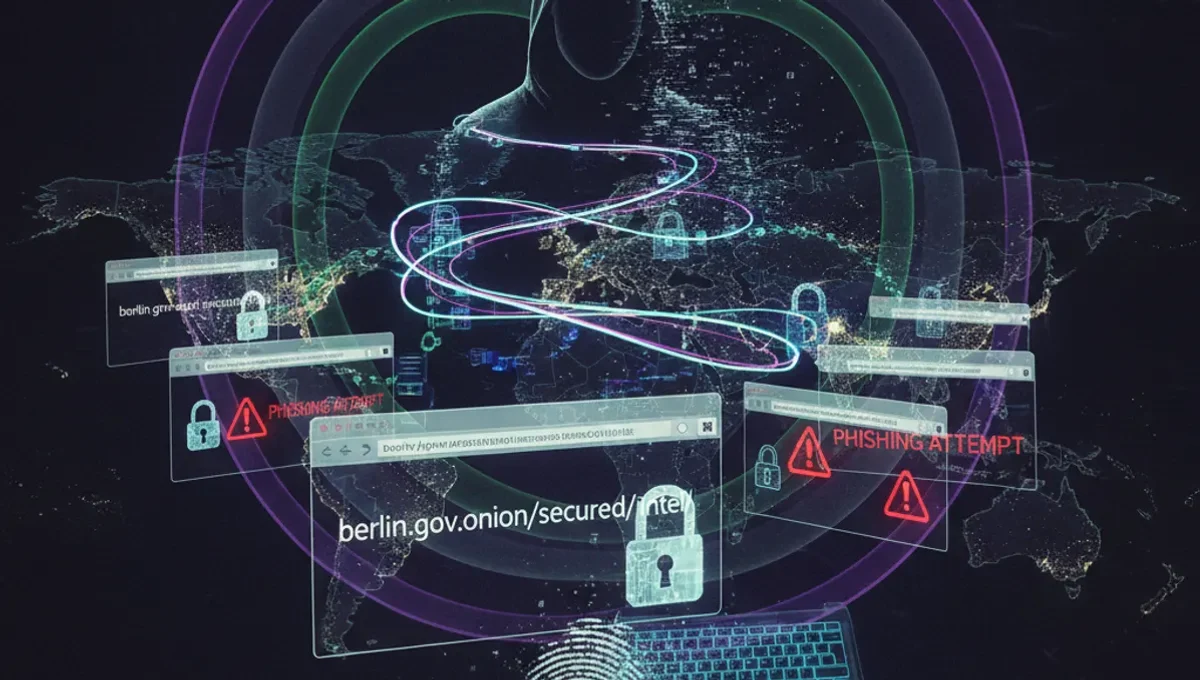
What Is Ransomware Extortion and Why Does It Use Tor?
Ransomware extortion combines two criminal tactics: encrypting or stealing data, then demanding payment for decryption keys or non-publication. Threat actors use Tor and onion sites for this pipeline because:
- Anonymity for operators: Tor masks the physical location and identity of hackers negotiating payments and hosting leak sites.
- Anonymous negotiation portals: Ransomware gangs operate Tor-based chat systems and payment negotiation portals where victims communicate without traditional ISP logs.
- Cryptocurrency receivers: Bitcoin addresses linked to Tor wallets are harder to trace than traditional bank transfers.
- Leak site hosting: Criminal groups post stolen data on .onion mirror sites to pressure victims into paying before public disclosure.
Berlin's case follows a textbook extortion model: breach → data theft → ransom demand via Tor-based negotiation → threat to leak sensitive government data.
How Ransomware Gangs Operate on Tor Infrastructure
Modern ransomware-as-a-service (RaaS) operations are structured organizations:
| Operational Layer | Function | Tor Role |
|---|---|---|
| Affiliates | Deploy malware to target networks | Receive instructions via encrypted Tor comms |
| Negotiators | Handle victim communication | Host Tor onion chat portal |
| Payment handlers | Collect ransom in cryptocurrency | Manage anonymous wallets |
| Data managers | Host and post stolen files | Run .onion leak sites |
| Infrastructure | C&C servers, VPNs, proxy chains | Distribute via Tor entry nodes |
These groups invest heavily in Tor infrastructure because the cost of anonymity is lower than the potential payout from a single successful extortion of a municipal or enterprise victim.
Why Berlin's Refusal Matters—and Doesn't
The strategic value of non-payment: - Paying ransoms funds criminal research, recruitment, and infrastructure expansion. - Each successful payment signals to other gangs that the victim class is profitable. - Public refusal sets a precedent that can deter future attempts against similar targets.
Why hackers leak anyway: - Threat: "If you don't pay, we publish your stolen data." Reality: Many gangs leak regardless to maintain reputation and pressure other victims. - Leaked government data (personnel files, procurement contracts, environmental data) has secondary value on darknet markets or to competing nations. - The act of leaking on a Tor-hosted site requires no ongoing relationship with the victim.
How to Identify Legitimate Ransom Demands from Scams
Not all ransom communications on Tor are from the actual attackers—phishing and false claims are common:
- Check the initial contact method: Did the demand come directly via encrypted message on the compromised network, or via email/Tor chat claiming to represent the attackers?
- Verify proof of data: Legitimate actors provide file samples, directory listings, or database schemas from stolen data. Vague threats are red flags.
- Look for operational consistency: Gangs with established Tor sites and payment histories have identifiable patterns (branding, payment wallets, past communications).
- PGP signature verification: Some gangs include PGP-signed messages. Verify the public key against past communications published on forums or leak sites.
- Assess the ransom amount: Does it match the victim's known revenue/budget? Unrealistic demands (€500M from a city) suggest a false claim.
Darknet Leak Sites: How to Spot Fakes
When a breach is announced, multiple fake .onion mirrors may appear claiming to host stolen data:
- Check the onion address format: v3 addresses (56 characters) are harder to spoof than v2 (16 characters). Verify the address against the gang's official communications.
- Domain history: Established ransom groups maintain the same .onion address across campaigns. New addresses are suspicious.
- Content verification: Does the published sample match the claimed dataset? Cross-reference with public details about the breach.
- Phishing risk: Fake leak sites often contain malware downloads or malicious redirects. Assume all .onion links from unverified sources are hostile.
- Tor browser security: Always use an updated Tor browser; don't enable plugins or increase window size (browser fingerprinting).
The Role of Cryptocurrency Mixing and Payment Obfuscation
Ransomware payments are typically demanded in Bitcoin or Monero because:
- Bitcoin: Pseudonymous but traceable on the blockchain. Many gangs have been de-anonymized through payment chain analysis.
- Monero: Private by default (ring signatures, stealth addresses). Harder to trace but exchanges are increasingly closing Monero withdrawal accounts due to regulatory pressure.
- Mixing services: Criminals route cryptocurrency through Tor-based tumblers or privacy wallets to break the payment chain. Law enforcement increasingly seizes these services.
Key takeaway for victims: Assume no cryptocurrency transaction on a public blockchain is truly anonymous. Forensic investigators routinely recover payment trails.
Frequently Asked Questions
Q: If I'm breached, should I contact the hackers on Tor? A: Only through official law enforcement or a qualified incident response team. Direct negotiation risks: - Further extortion demands - Malware-laden files masked as decryption keys - Social engineering to expand network access - Legal liability for facilitating criminal communication
Q: Can I find leaked data from a government breach on the darknet? A: Stolen datasets appear on leak sites and markets, but: - Most are password-protected or paywalled - Many are fake or corrupted - Accessing stolen government data can expose you to legal liability - Use extreme caution with Tor links from unverified sources
Q: Why doesn't law enforcement shut down ransomware Tor sites? A: Because: - Tor's design makes location and takedown technically difficult - Gangs migrate to new .onion addresses within hours of exposure - Prosecution requires international cooperation and cryptocurrency tracing - Attribution is challenging; the same infrastructure may host multiple unrelated groups
Q: Is paying in Monero safer than Bitcoin for criminals? A: Technically yes, but regulatory pressure is mounting. Major exchanges are closing Monero trading pairs, making exit strategies harder. Payment analysis still reveals patterns in transaction timing and amounts.
Practical Takeaways
- For organizations: Assume you may be breached. Develop a response plan that prioritizes containment over ransom negotiation. Law enforcement and insurance experts should guide payment decisions.
- For Tor users: Fake ransom notices and phishing .onion mirrors flourish after major breaches. Verify onion addresses, check PGP signatures, and never download files from unverified leak sites.
- For policymakers: Berlin's public refusal strengthens the collective defense against ransomware economics. Each non-payment makes targeting less profitable for the next attacker.
- For security researchers: Monitor Tor leak sites and ransomware negotiation portals only through isolated VMs and never interact with suspicious files. Attribution of gangs through Tor infrastructure is possible but time-consuming.
Source: The Hacker News