What Happened in the Chainalysis Breach
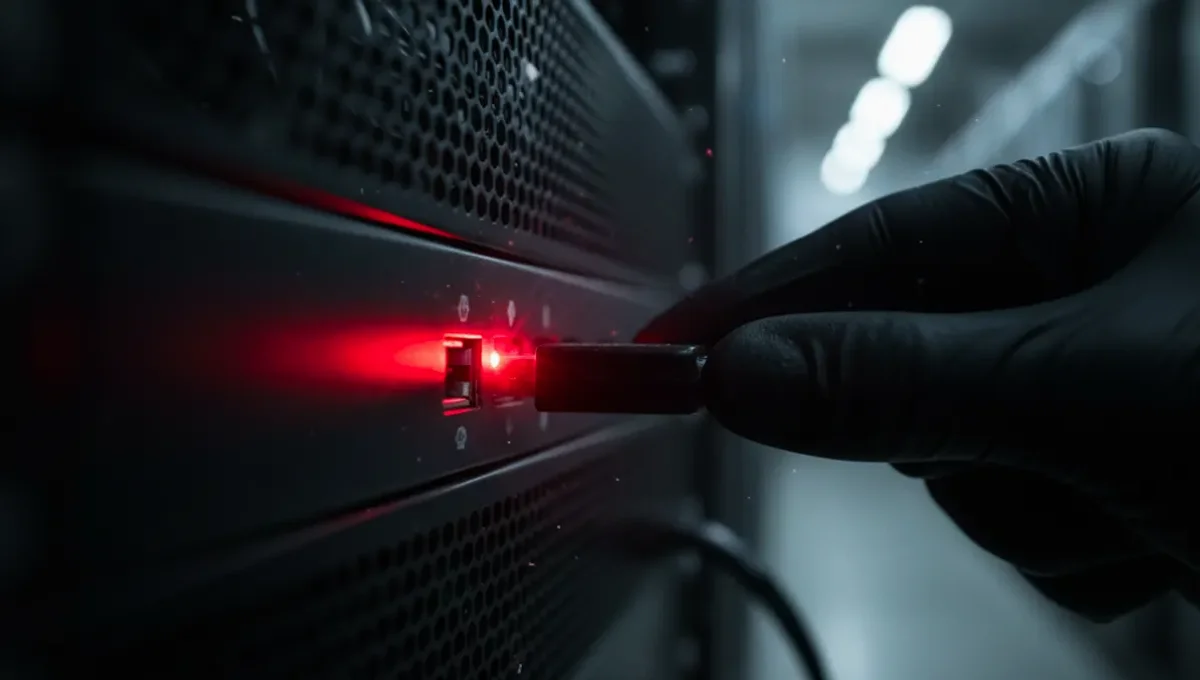
Chainalysis, one of the largest blockchain surveillance firms used by law enforcement, exchanges and financial institutions, revealed that attackers gained unauthorized access to its systems. During the intrusion, threat actors obtained names, usernames, password hashes and live authentication tokens belonging to all users of the platform. The company immediately shut down access to Reactor and Data Solutions, two of its core investigation and intelligence products, while forensics teams examined the extent of the compromise.
The breach was described as an "agentic cyber attack," a term that suggests sophisticated, possibly AI-assisted or automated attack chains designed to move laterally through network infrastructure. Chainalysis stated that investigators found no evidence of compromise to actual investigation data or blockchain records at the time of disclosure, though the ongoing nature of the investigation left room for the possibility of additional discoveries.
Who Was Affected
The breach affected all users of Chainalysis platforms, including law enforcement agencies, government regulatory bodies, cryptocurrency exchanges, banks and compliance firms. These organizations rely on Chainalysis to trace transactions, identify illicit activity and maintain regulatory compliance. The exposure of user credentials meant that anyone with access to the breached data could attempt to authenticate as legitimate users, potentially granting them access to sensitive investigations, transaction monitoring reports and blockchain intelligence.
For users whose credentials were compromised, the risk extended beyond the Chainalysis platform itself. Many users reuse passwords or variations across multiple services, so attackers could leverage the exposed usernames and hashes to attempt compromise of associated email accounts, corporate networks or other cryptocurrency-related services. Live tokens are particularly dangerous because they can be used immediately to impersonate a user without needing to crack password hashes.
Why Chainalysis Matters to the Broader Ecosystem
Chainalysis sits at the intersection of cryptocurrency and law enforcement surveillance. The company provides the tools that allow authorities to track ransomware payments, identify money laundering networks and investigate darknet marketplace activity. When Chainalysis systems go offline or are compromised, it creates temporary blind spots in the cryptocurrency compliance infrastructure that governments and exchanges depend on. The breach also raises questions about the security of data collected by these firms, particularly sensitive information about who is investigating whom and what transactions are under scrutiny.
For ordinary cryptocurrency users, the breach underscores a uncomfortable reality: surveillance infrastructure itself is a target. Attackers who compromise Chainalysis gain not just usernames and passwords but insight into which addresses, entities and transaction patterns are actively being monitored. This information has significant value to criminal actors seeking to avoid detection.
Reality Check: How Blockchain Surveillance Firms Operate
Blockchain analysis firms like Chainalysis maintain massive databases of transaction history, user identities and risk scoring models. These are valuable targets because they aggregate years of investigative work, financial intelligence and operational security details from their clients. According to public reporting from security vendors and law enforcement statements, attackers have increasingly focused on gaining access to these tools in order to harvest intelligence and evade future monitoring.
The use of live tokens in the breach highlights a common but critical security gap: while password hashes require computational effort to crack, valid authentication tokens grant immediate access. Organizations that issue long-lived tokens without strict rotation policies or geographic restrictions create a window for attackers to move freely through systems. Chainalysis's incident reflects this broader pattern seen across fintech and security firms.
Cryptocurrency exchanges and compliance teams that relied on Chainalysis faced operational disruption when Reactor and Data Solutions went offline. This underscores why many organizations maintain relationships with multiple blockchain intelligence providers and backup systems, a practice that became standard after major outages in the sector.
What Users and Organizations Should Do Now
If you have a Chainalysis account, take the following steps immediately:
- Change your password to a unique, complex one that you do not use elsewhere
- Enable multi-factor authentication (MFA) on your Chainalysis account if available
- Check other accounts linked to the same email address and update their passwords as well
- Monitor accounts for unauthorized access or suspicious activity
- Contact your organization's security team to confirm whether your credentials were used elsewhere
- Review any API keys or integrations connected to your Chainalysis account and rotate them
For organizations using Chainalysis, verify the official status of services through Chainalysis's signed communications or verified contact channels before resuming reliance on the platform. Do not assume that service restoration means the breach investigation is complete.
The Bigger Picture: Surveillance Infrastructure Vulnerabilities
This breach reveals that even highly secured, high-value targets remain vulnerable to sophisticated attackers. Chainalysis is staffed with security experts and funded by major venture capital firms, yet the attack still succeeded in harvesting credentials and tokens. This is instructive for any organization that assumes its security posture is impenetrable. It also demonstrates why decentralized and open-source alternatives to proprietary blockchain analysis matter: a single compromise of a centralized surveillance tool affects thousands of downstream users and investigations.
For privacy advocates and cryptocurrency users skeptical of surveillance infrastructure, the breach is a reminder that centralized collection of transaction intelligence carries inherent risks. Data that does not exist cannot be breached, which is why techniques like coin mixing and privacy-focused blockchains continue to have relevance despite regulatory pressure.
Your Next Step
If you use Chainalysis professionally or maintain cryptocurrency holdings that you worry may have been under active investigation, verify the current status of the platform through official channels (Chainalysis's main website or a verified phone line) before assuming services are fully restored. Change your password and enable MFA regardless, and ask your organization whether it plans to audit which Chainalysis reports or investigations may have been exposed during the breach window. Security incidents are not one-time events; they reveal systemic weaknesses that take months to address completely.
Frequently Asked Questions
Did attackers access investigation data during the Chainalysis breach? Chainalysis stated at the time of disclosure that they found no evidence of compromise to investigation data or blockchain records, though the ongoing investigation meant this could change.
What should I do if I use Chainalysis at my company? Notify your security team immediately, change your password, enable multi-factor authentication, and ask your organization to confirm whether the platform has been cleared for resumption of sensitive work.
How does a live token differ from a password hash? A live token can be used immediately to authenticate as a user without any decryption or cracking; a password hash requires computational effort to reverse. Exposed tokens are more dangerous in the short term.
Why would attackers target Chainalysis specifically? Access to Chainalysis systems reveals which addresses, entities and transactions are under investigation, helping criminals evade detection and plan operations around known surveillance.
Source: The Hacker News