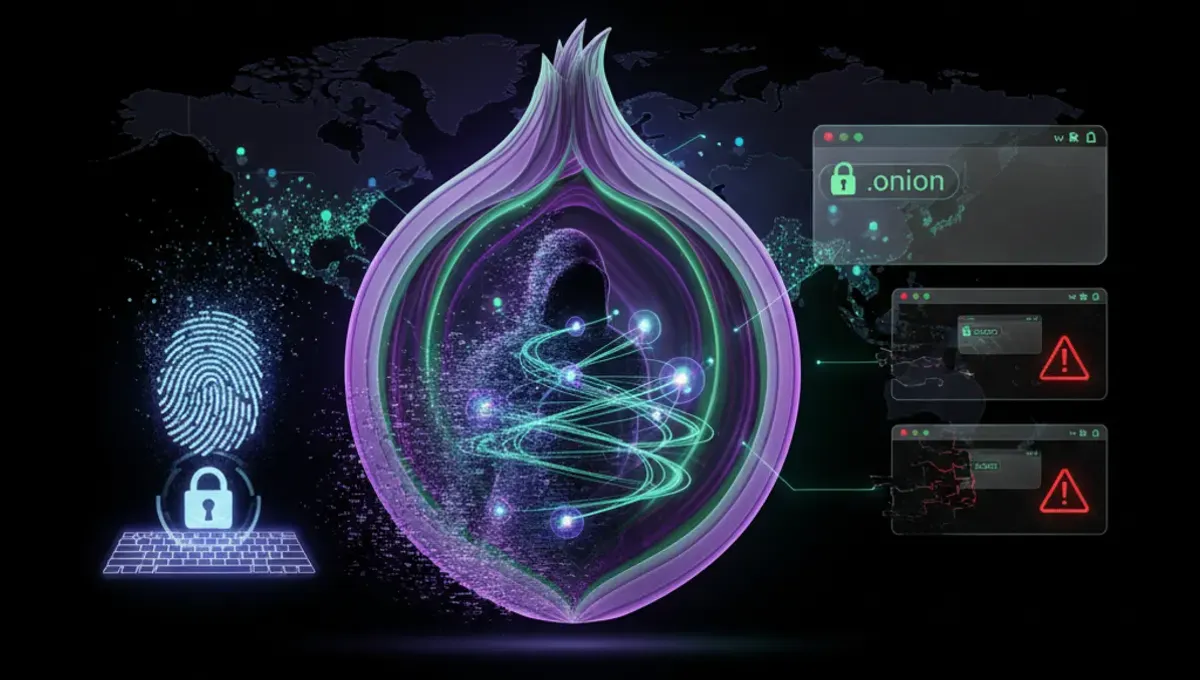
What Are Tor Sites for Books and Why People Use Them
Tor sites for books are onion-hosted mirrors and repositories that distribute literary content through the Tor network. These range from mirrors of public domain collections to independent archives preserving texts that may face censorship in certain jurisdictions. Users access them for anonymity, to bypass geographic restrictions, or to research without revealing their reading habits. Most legitimate book sites on Tor are mirrors of existing legal resources rather than exclusive darknet services. The Tor network's encryption and routing through multiple nodes means your internet service provider cannot see which sites you visit, though the content itself remains the same as the clearnet version. Some users prefer Tor book access for privacy reasons, while others use it in regions where certain literature faces legal restrictions.
How Onion Addresses Work for Book Libraries and Archives
Onion addresses are special domain names ending in .onion that route traffic through the Tor network. A v3 onion address is 56 characters long and uses modern encryption standards, replacing the older v2 format. When you connect to a book site's onion address, your traffic is encrypted and routed through multiple Tor nodes, making it difficult to trace your connection to the server. The onion address itself is derived from the server's public key, meaning the address serves as a cryptographic proof of the site's identity. Book libraries on Tor typically use v3 addresses for security. The address structure looks like a random string of letters and numbers followed by .onion. This design prevents man-in-the-middle attacks because the address cannot be spoofed without access to the private key. Understanding this mechanism helps you verify that you are connecting to the intended book repository and not a phishing clone.
How to Verify Genuine Onion Addresses and Avoid Phishing Clones
Phishing clones are fake onion sites designed to mimic legitimate book repositories and steal credentials or distribute malware. To verify a genuine onion address, check the official project documentation or the site's clearnet homepage for the correct .onion link. Compare the address character-by-character with the official source; even a single character difference indicates a phishing clone. Legitimate book sites often publish their onion addresses on their main website, in PGP-signed announcements, or through official social media accounts. Before entering any credentials or downloading files, confirm the address matches exactly. The Tor Browser displays the onion address in the address bar; take a screenshot of legitimate addresses for future reference. If a site requests unusual personal information or asks you to enable JavaScript to access books, treat it as suspicious. Cross-reference the onion address across multiple trusted sources before trusting it with sensitive activity. Many book projects publish PGP signatures alongside their onion addresses to prove authenticity.
Best Practices for Safely Accessing Book Sites on Tor
Safe access to Tor book sites requires proper Tor Browser configuration and operational security habits. First, download the Tor Browser only from the official Tor Project website to avoid compromised versions. Keep your Tor Browser updated to receive security patches. Disable JavaScript in Tor Browser settings before accessing book sites, as JavaScript can leak your real IP address. Use a dedicated device or virtual machine if you plan frequent Tor access. Never maximize your browser window, as screen resolution can be used to fingerprint and identify you across sites. Disable plugins and extensions that might bypass Tor's protections. When downloading books, use a separate folder and scan files with antivirus software before opening them. Do not mix Tor and non-Tor activity in the same browser session. If a book site requires creating an account, use a unique username unrelated to your real identity. Avoid downloading large numbers of files simultaneously, as this can attract attention and may degrade performance for other Tor users.
Understanding V3 Onion Addresses and Their Security Advantages
V3 onion addresses represent the current standard for Tor hidden services and offer significant security improvements over the deprecated v2 format. V3 addresses are 56 characters long and use modern elliptic curve cryptography, making them resistant to known attacks. The longer address length and stronger cryptography provide better protection against address enumeration and brute-force attacks. Book sites using v3 addresses have undergone the migration from v2, indicating they maintain current security practices. The v3 format also supports improved client authorization, allowing site operators to restrict access to specific users if needed. When evaluating a book site's legitimacy, check whether it uses a v3 address; most active and well-maintained projects have completed this transition. The address format is immediately recognizable: it consists of 56 alphanumeric characters followed by .onion. If you encounter a v2 address (16 characters), the site is likely abandoned or outdated. V3 addresses are not backward compatible with v2, so older Tor Browser versions cannot access them.
Common Mistakes That Compromise Anonymity When Accessing Book Sites
Users often compromise their anonymity through behavioral mistakes rather than technical vulnerabilities. Logging into personal accounts while using Tor defeats anonymity; if you use your real name or existing username, you link your Tor activity to your identity. Downloading books and immediately opening them in your default applications can leak metadata revealing your real operating system and software versions. Resizing your Tor Browser window to fit your screen resolution allows sites to fingerprint you; keep the default size. Enabling plugins or extensions bypasses Tor's protections and can leak your IP address. Visiting clearnet sites and Tor sites in the same session allows cookies and tracking scripts to correlate your activity. Torrenting through Tor is ineffective because BitTorrent leaks your real IP address regardless of Tor usage. Enabling JavaScript on untrusted sites allows malicious code to execute and potentially reveal your identity. Searching for books using personally identifying terms in Tor search engines creates records linking you to specific interests. Avoid these mistakes by maintaining strict separation between your Tor and non-Tor activities, using unique identities on Tor, and keeping your Tor Browser configured with security-first settings.
Comparing Tor, VPN, and I2P for Private Book Access
Tor, VPN, and I2P are three distinct technologies for private internet access, each with different strengths for accessing book sites. Tor routes traffic through multiple volunteer-operated nodes, providing strong anonymity but slower speeds due to the routing overhead. Tor is designed specifically for anonymity and resists traffic analysis better than VPNs. VPNs encrypt traffic and route it through a single provider's server, offering privacy from your ISP but requiring trust in the VPN operator. VPNs are faster than Tor but provide weaker anonymity because the VPN provider can see your activity. I2P is a decentralized network designed for internal communication and file sharing, offering good anonymity for peer-to-peer activity but limited access to external content. For accessing book sites, Tor is the standard choice because it provides strong anonymity and direct access to onion-hosted libraries. VPNs are useful for bypassing geographic restrictions on clearnet book sites but do not provide the same anonymity guarantees. I2P is less suitable for book access because most book repositories are not hosted on I2P. Choose Tor if anonymity is your priority, a VPN if speed and simplicity matter more, and I2P only if you are accessing I2P-specific content.
Frequently asked questions
Are book sites on Tor legal to access?
Accessing book sites on Tor is legal in most jurisdictions. Most legitimate Tor book sites are mirrors of public domain or legally licensed content. However, the legality depends on the specific content and your location. Some regions restrict access to certain literature; using Tor to access such content may violate local laws. Always verify that the content you access complies with your jurisdiction's laws.
How do I find legitimate Tor book sites?
Legitimate Tor book sites are typically referenced on the clearnet homepages of established projects or in official documentation. Check the main website of known book repositories for their onion address. Cross-reference addresses across multiple trusted sources before accessing them. Avoid relying on third-party directories alone; verify addresses directly from official sources. Be cautious of sites that appear only on Tor without any clearnet presence or official documentation.
What should I do if a Tor book site appears to be down?
Tor sites can be temporarily unavailable due to network issues, maintenance, or server problems. Wait several hours and try again. Check the site's clearnet homepage or official social media for status updates. Do not attempt to access alternative addresses or mirrors without verifying their authenticity, as these are common phishing tactics. If the site remains down for extended periods, it may have been abandoned.
Can I be identified for accessing book sites on Tor?
Tor provides strong anonymity, but your identity can be compromised through behavioral mistakes. Logging into personal accounts, using identifying usernames, or downloading files and opening them immediately can link your activity to your real identity. Avoid these mistakes by maintaining strict operational security. Your ISP cannot see which Tor sites you visit, but the Tor exit node operator can see unencrypted traffic.
What is the difference between a v2 and v3 onion address?
V2 onion addresses are 16 characters long and use older cryptography; they are deprecated and no longer supported by current Tor Browser versions. V3 addresses are 56 characters long and use modern elliptic curve cryptography, providing stronger security. Most active book sites have migrated to v3 addresses. If you encounter a v2 address, the site is likely outdated or abandoned.